

Mustard Seed

THE NEED: PAPUA NEW GUINEA

BUSH ANGELS

Everyone Deserves Good Healthcare

Just because you live in a remote community does not make you any less deserving of access to essential health care.

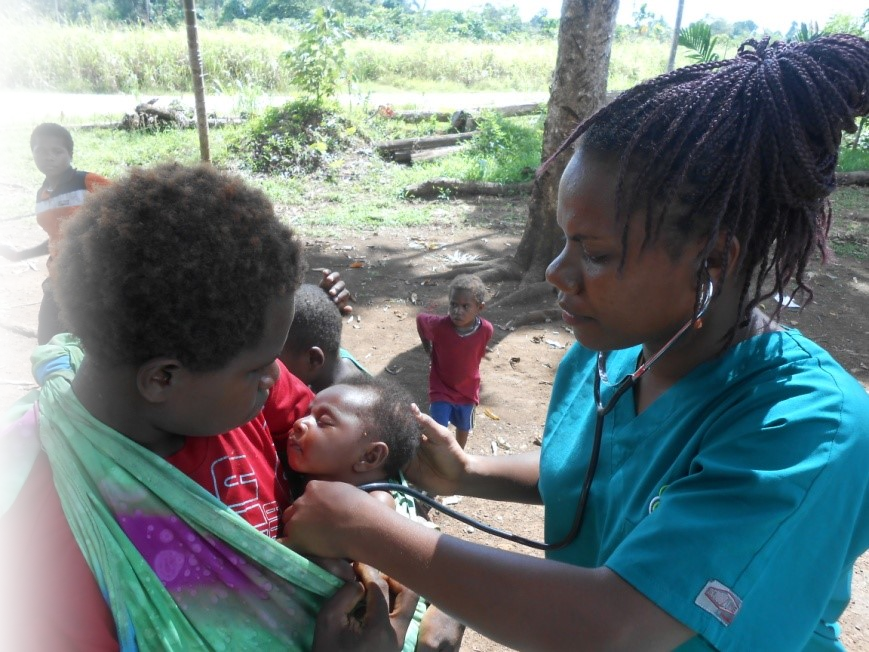
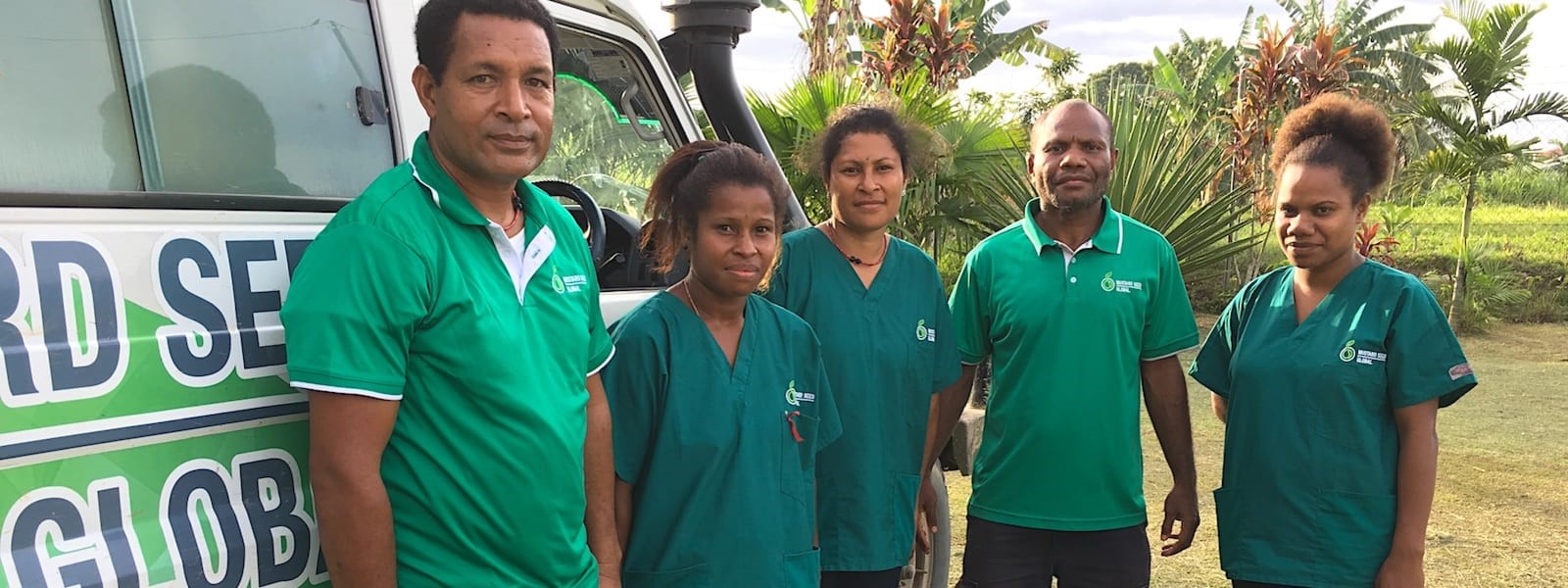
In Papua New Guinea many people suffer beyond the reach of the normal health services concentrated in urban areas. Reaching these people with consistent health services is a widely recognised challenge. Since 2016 our dedicated mobile medical teams have travelled by purpose-equipped Toyota Landcruiser Ambulances or Yamaha ‘banana boats’ (and often walked for hours) to overcome rugged terrain to deliver life-saving health services to those suffering in the bush.  

MOBILE ‘HYBRID’ PARAMEDIC UNITS

We are now pioneering upgraded ‘hybrid’ paramedical units called Bush Angels. Because accessing remote areas is difficult, we want to take with us the best medical services possible to save lives and improve health.

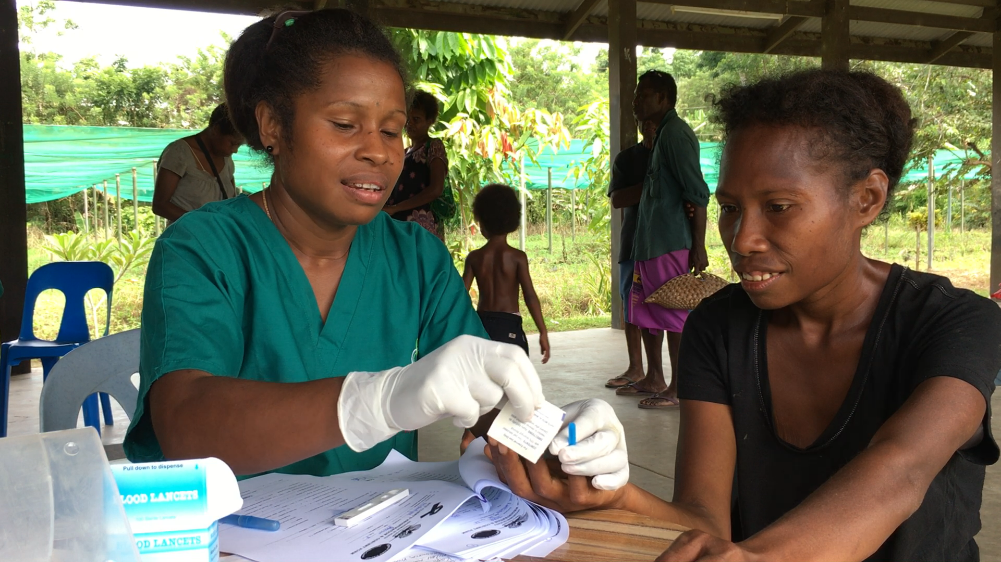
‘Bush Angels’ will be uniquely enhanced to deliver a hybrid service of excellent primary health care (with some emergency capacity) and early cancer screening for common cancers. Specialised solar-powered equipment and training will boost the quality and scope of our services.   

With medical services focused in urban areas, our Bush Angels bridge the gap by extending primary health care , emergency services, and early cancer screening to remote communities.
Bush Angels will be launched in mid-2024 following the current design phase involving leading oncologists and other doctors from PNG and Australia, procurement of specialised equipment,  specialised training, and the establishment of downstream partnerships to ensure good pathology and treatment pathways for our bush patients.

Our vision is for a Bush Angels network reaching out to suffering people in remote communities across PNG.

Donate to Help People Suffering Without Essential Care

Since most medical services are concentrated in urban areas, our Bush Angels units bridge the gap by extending primary care clinics, emergency services, and effective early diagnosis to remote communities.